If you’ve ever smelled a perfume and thought “that’s me”, then smelled another with completely different notes and felt the same thing, the two probably belong to the same family.
A scent family is a simple way of grouping perfumes by their overall character: soft and floral, warm and sweet, clean and calm, or deep and woody. Once you know which family you lean towards, choosing becomes much easier, even when you’re shopping online.
In this guide we’ll walk through four families we love, each with examples from the perfumes we actually have, based on their notes and family as the brand describes them.
Before we start: how to read notes
A perfume is usually described in three layers:
- Top notes: what you smell in the first minutes; often citrus or light fruit, and they fade quickly.
- Heart notes: these come through a little later and give the scent its character; often flowers or spices.
- Base notes: what stays with you at the end of the day; often woods, musk, amber or vanilla.
Most perfumes don’t sit neatly in a single family. You’ll see descriptions like “woody floral” or “amber woody”, meaning a bit of both. Each perfume page on our site lists its notes and family when the brand publishes them.
Floral: soft and delicate
In floral scents, flowers take the lead: rose, jasmine, orange blossom, peony, violet, iris, gardenia. Sometimes it’s one clear flower; sometimes a whole bouquet.
There are styles within the family too: soft powdery florals, fruity florals with peach or berries, and sweet florals with vanilla or caramel. These scents are often worn every day, at work and on outings.
From our shelves:
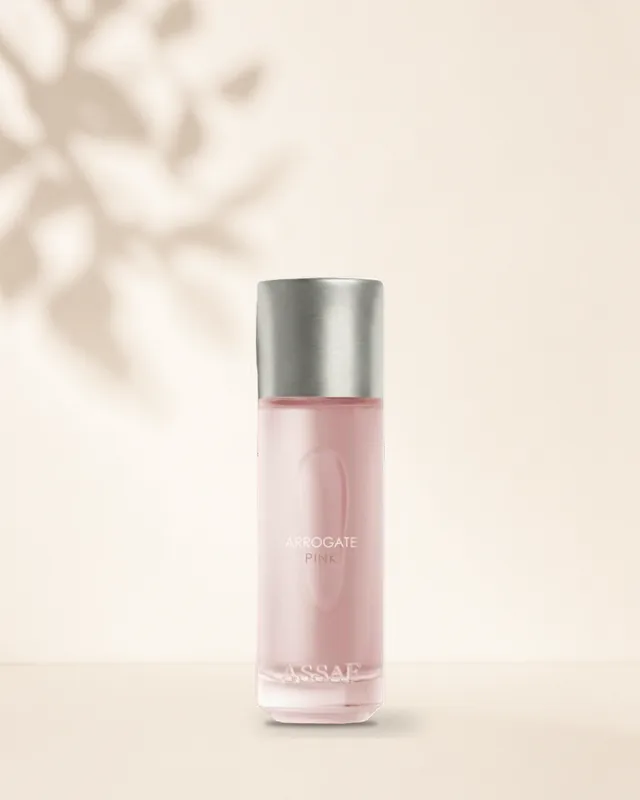
- Assaf’s Arrogate Pink: a soft, powdery floral: orange blossom, neroli and almond, a heart of jasmine, violet and apricot, settling on musk and sandalwood.
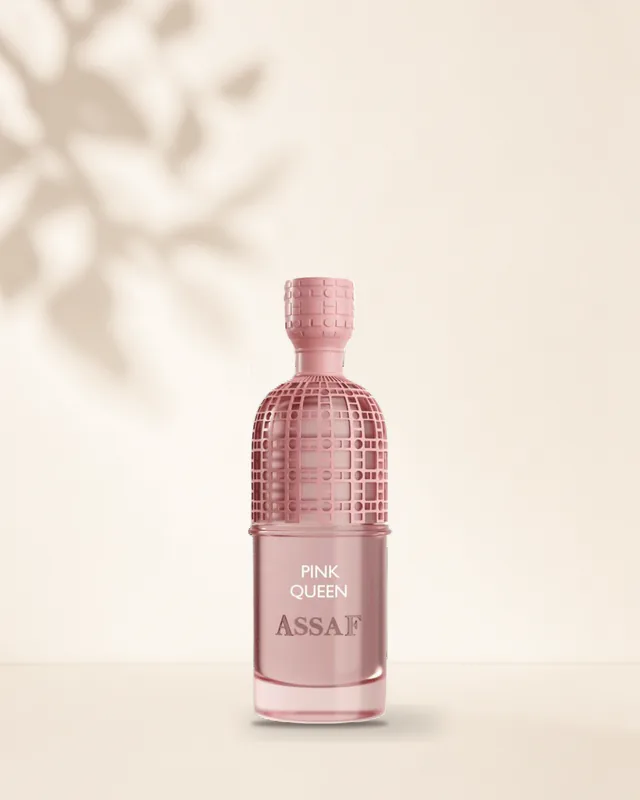
- Assaf’s Pink Queen: floral: bergamot and rose, a heart of peony and caramel, settling on vanilla and musk.
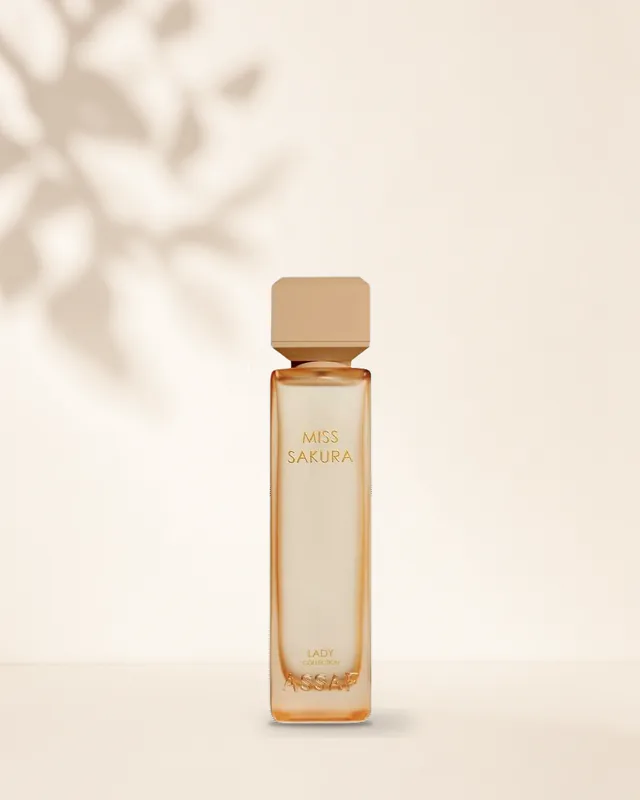
- Assaf’s Miss Sakura: floral musky: cherry blossom, rose, jasmine and ylang-ylang, settling on mimosa, violet, musk and cedarwood.
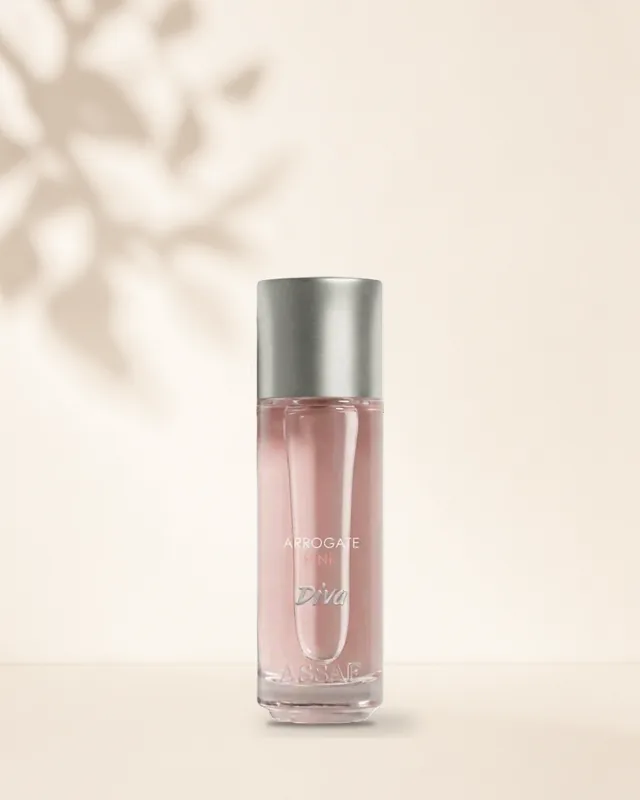
If you like your florals with a touch of fruit, Assaf’s Arrogate Pink Diva is a fruity floral: orange, peach and raspberry, with a heart of rose, iris and gardenia.
Amber (oriental): warm and sweet
Amber, long called “oriental” and now often called “amber” in newer classifications, is the family of warmth: amber, vanilla, tonka, spices like cinnamon, cardamom and saffron, resins and incense, and often oud. These scents tend to be deep, sweet and noticeable, and many people love them in winter and for evenings out.
When amber meets dessert-like notes such as praline or caramel, it’s often called “gourmand”: a sweet scent that makes you a little hungry.
From our shelves:
- Lattafa’s Khamrah: amber spicy and sweet: cinnamon, nutmeg and bergamot, a heart of dates, praline and white flowers, settling on tonka, benzoin, myrrh, vanilla and woods.
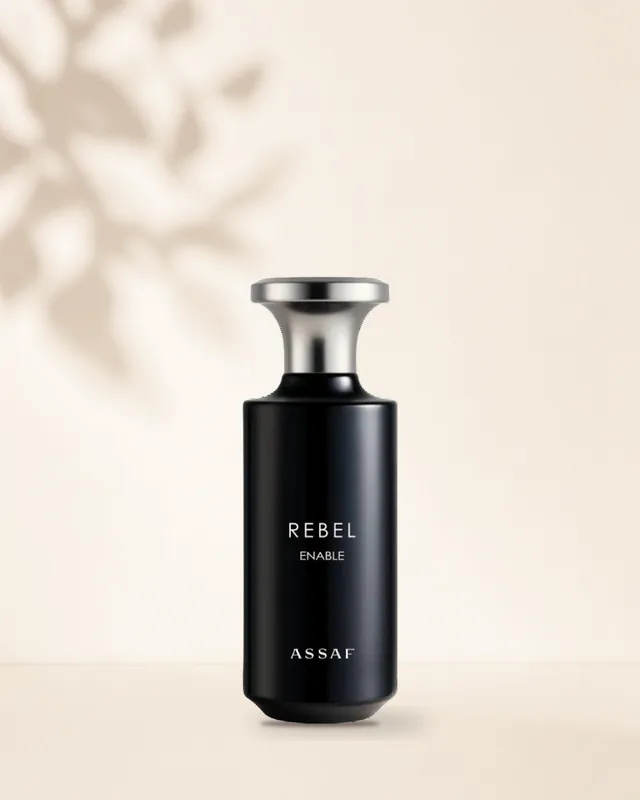
- Assaf’s Rebel Enable: amber spicy: apple and mandarin, then cardamom and caramel.
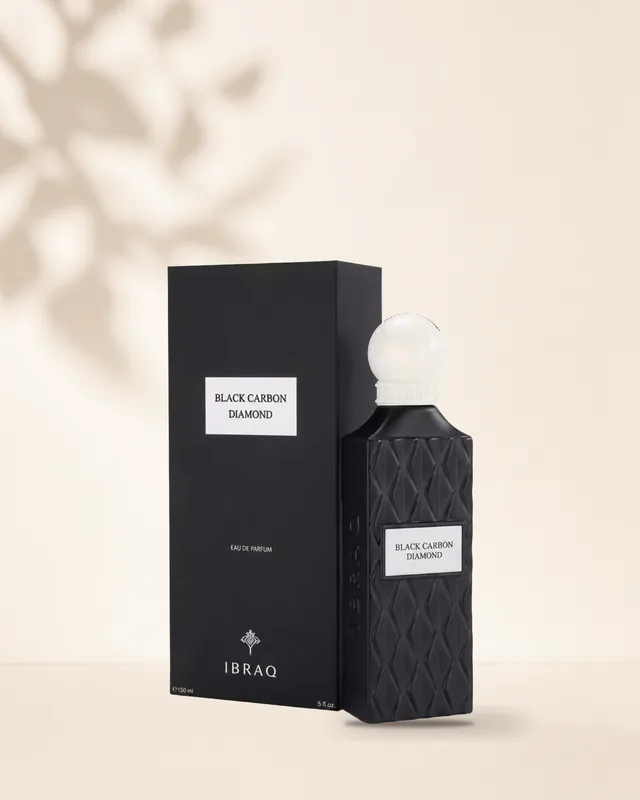
- Ibraq’s Black Carbon Diamond: amber woody: bergamot, a heart of rose, apple and patchouli, settling on sandalwood, musk, frankincense and oud.
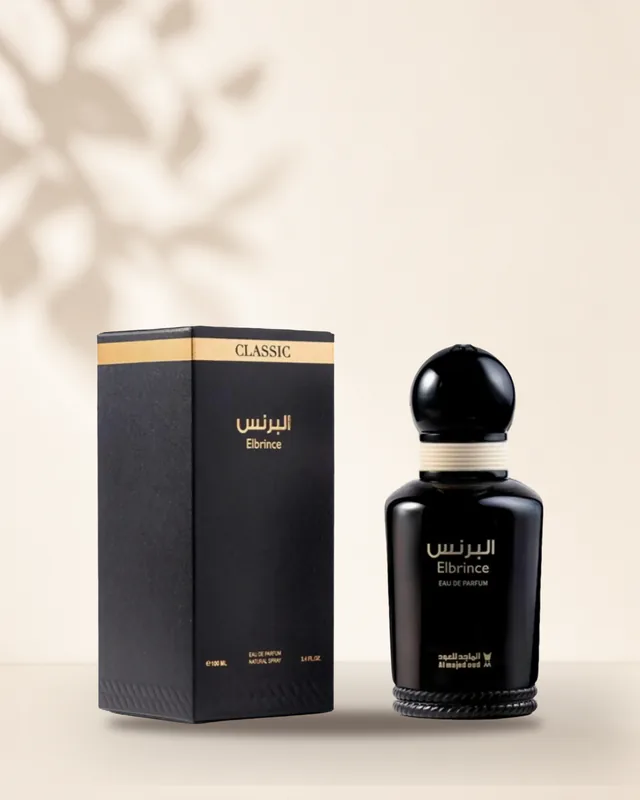
Close to this family too is Al Majed Oud’s Elbrince, described as an ambery fougère: it opens fresh with bergamot and cardamom, warms up with cinnamon and spice, and settles on musk, amber and woods.
Musk: clean and close to the skin
Musk holds a special place in our taste in Egypt and the Gulf. It’s soft and clean, often described as “clean skin” or “fresh laundry”. It’s also one of the best-known base notes, so you’ll find it at the end of many perfumes from other families.
Worth knowing: nearly all the musk used in perfumery today is synthetic, often called “white musk”. And there are many kinds: clean white musk, powdery musk, fruity musk and warm, spicy musk.
Because musk is calm and close to the skin, many people wear it under another scent they love, to soften it. We talk more about that in how to make your perfume last longer.
International classifications don’t always treat musk as a family of its own, but we keep it separate because it’s such a familiar way of choosing scents here, and because so many people look for it by name.
From our shelves:
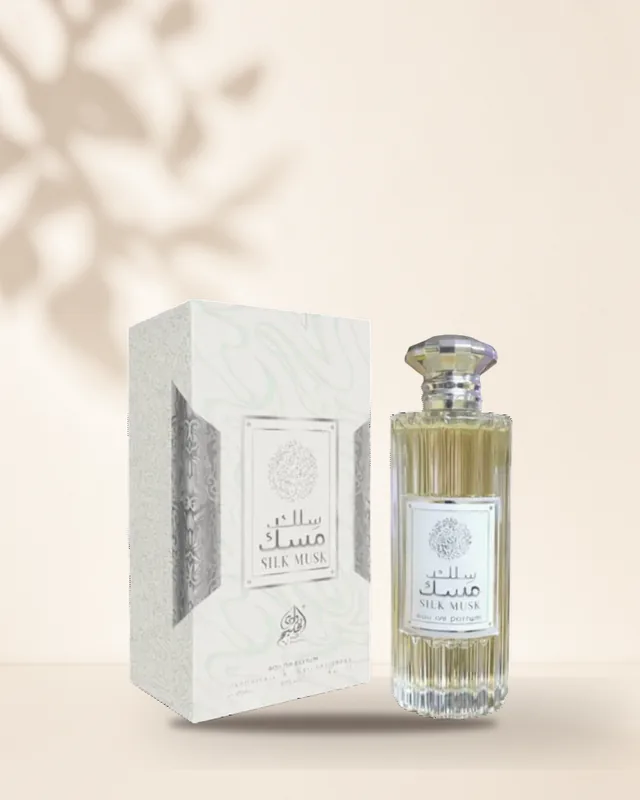
- Wadi Al Khaleej’s Silk Musk: floral woody musk: a soft musk with rose, geranium and a light touch of white oud, then violet, jasmine and lily of the valley, settling on powder, musk and sandalwood.
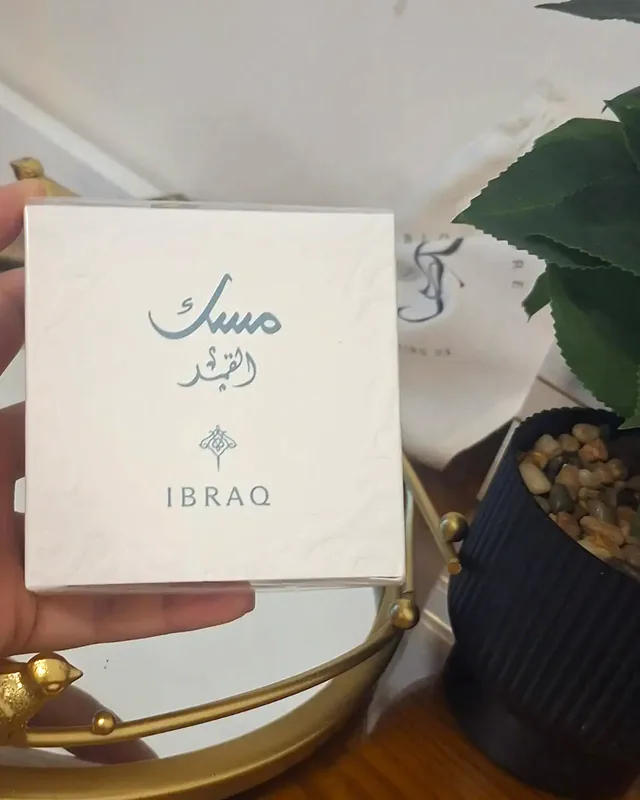
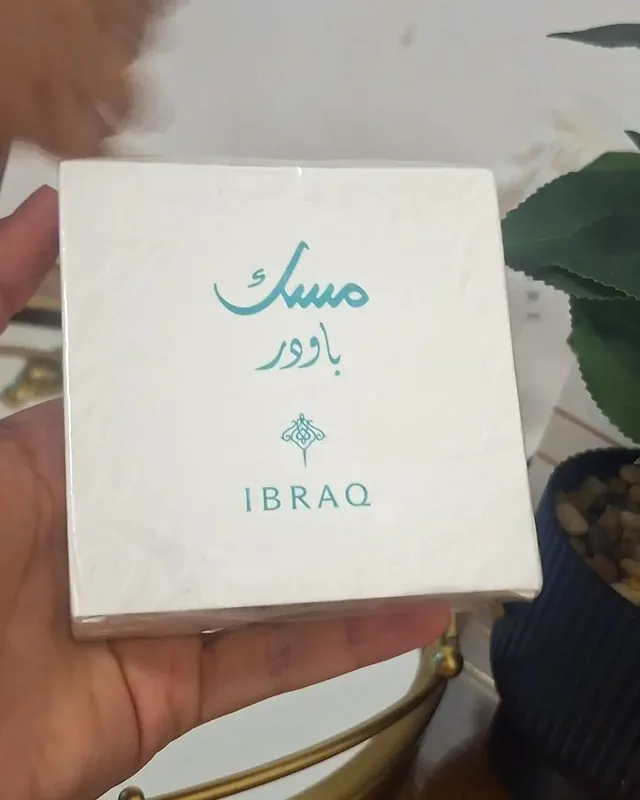
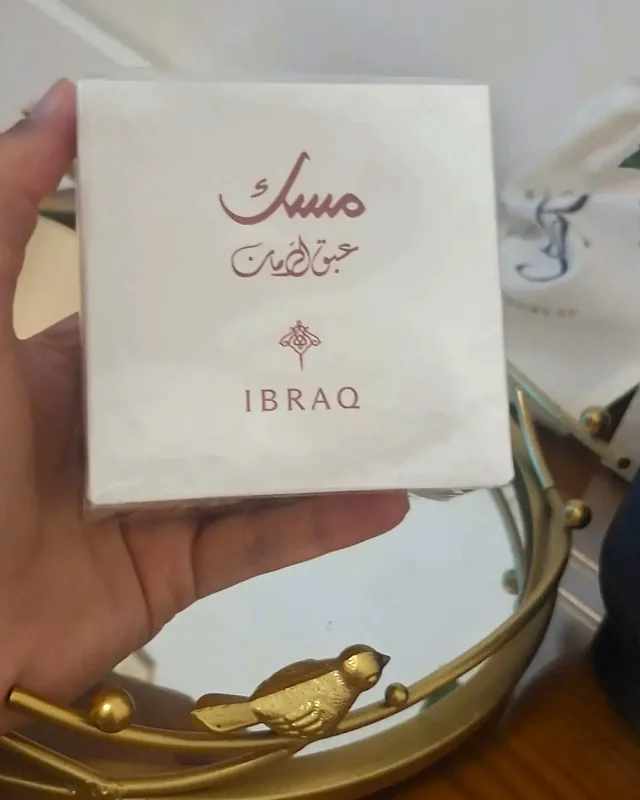
- Ibraq’s Musk Powder: a soft, powdery musk: jasmine and rose, then orris and amber, settling on musk, vanilla and tonka.
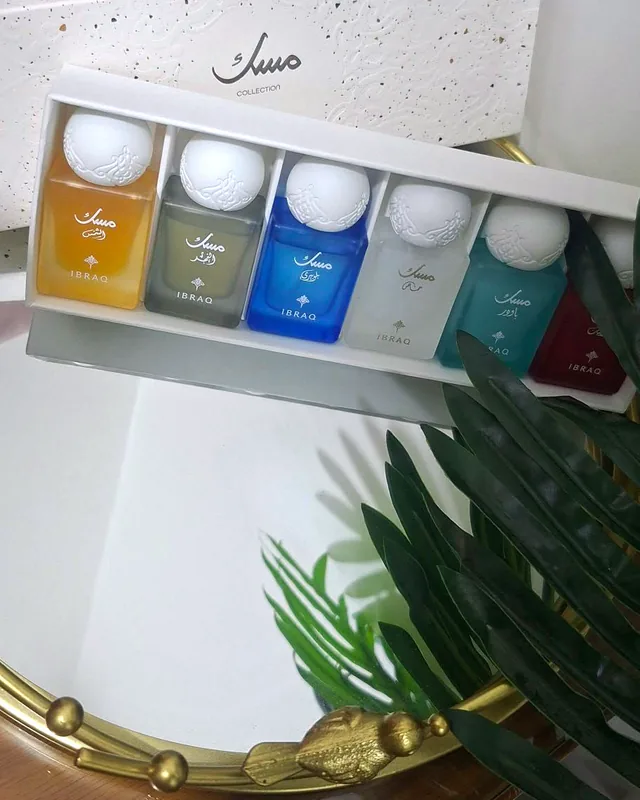
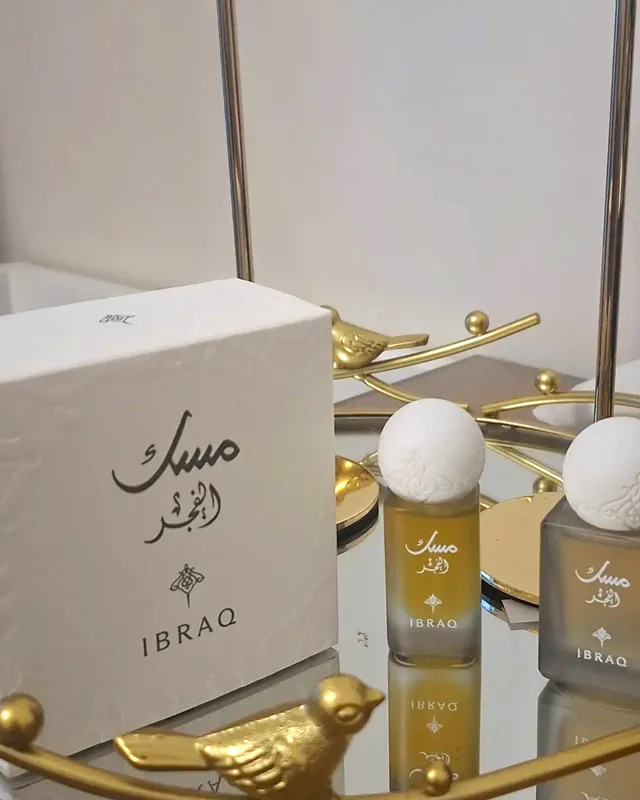
- Ibraq’s Musk Collection: six 10 ml bottles, each a different musk, so you can find the one that suits you.
All our musks are together in our musk section.
Woody: deep and calm
In woody scents, the woods take the lead: sandalwood, cedarwood, vetiver, patchouli, guaiac wood and oud. These scents tend to be dry, warm and calm, confident without being loud. They’re often paired with citrus for a fresh daytime scent, with flowers for softness, or with spices for extra warmth.
Oud, also known as agarwood, is one of the best-known woods in Arabian perfumery: deep and distinctive, and often found in the base even of scents from other families.
From our shelves:
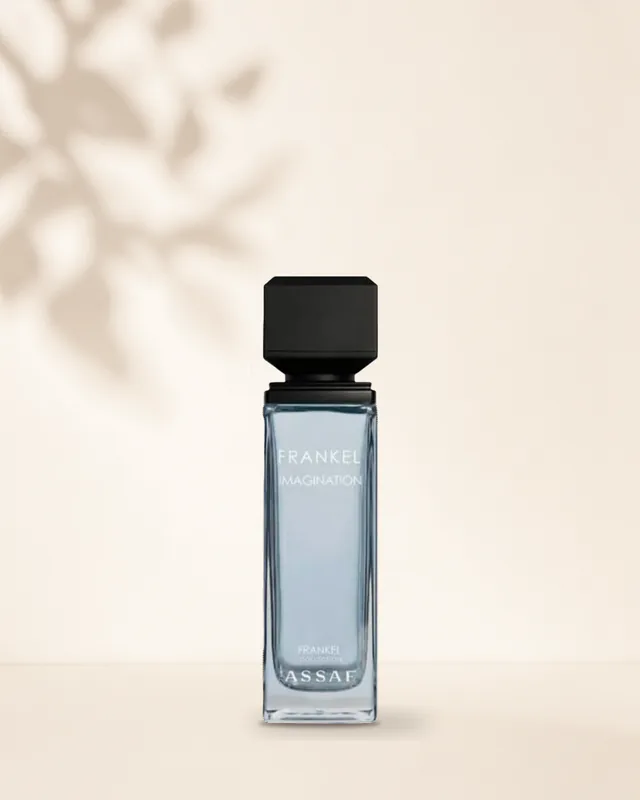
- Assaf’s Frankel Imagination: woody spicy: orange, sweet lemon, mandarin and pink pepper, then black tea, lavender, nutmeg and cinnamon, drying down to patchouli and guaiac wood.
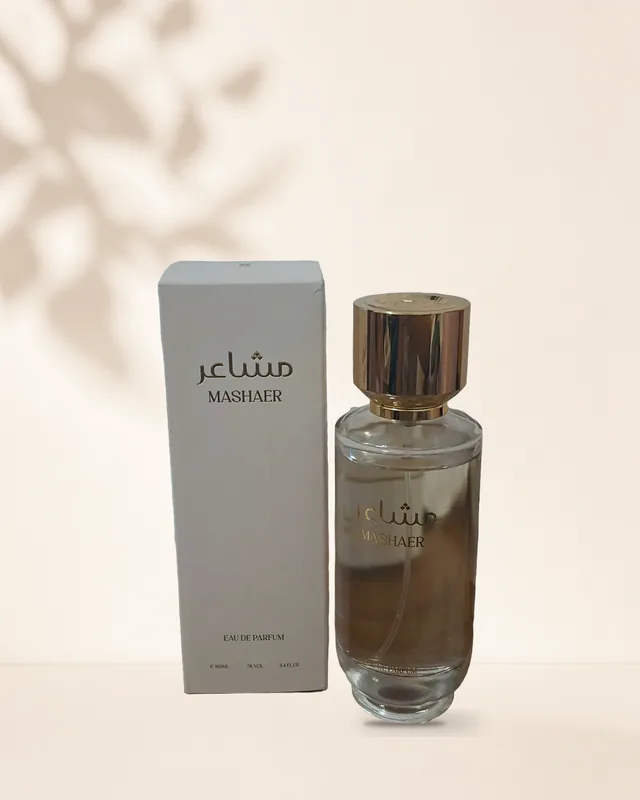
- Al Majed Oud’s Mashaer: woody floral: mandarin, raspberry and black pepper, a heart of gardenia, rose and jasmine, settling on vanilla, musk and amber.
- And Black Carbon Diamond, which we met in the amber family: an amber woody with a base of sandalwood and oud.
And there are other families
These four aren’t the whole story. There are fresh scents, for example: citrus, lavender and green notes, light and refreshing for summer. Like Assaf’s Aura, which opens with grapefruit, bergamot and pineapple and has a heart of lavender.
How to find your family
- Start with what you love: think of the last perfume you loved and look at its notes. You’ll often find notes that keep coming back.
- Answer three questions: in Find your scent we suggest scents from our shelves based on your taste.
- Try it on skin: a scent on paper or in the air isn’t the same as on skin, and give it at least an hour for the heart and base to come through.
- Don’t smell too many at once: after three or four scents your nose tires and gets confused, so take a break and come back.
- Try before you decide: take a 5 ml decant of two scents from two different families, and see which one feels closer to you. More in what’s a decant?.
- Looking for a gift? Knowing the family makes choosing much easier. See our gift guide.
And if you’re still not sure which family is yours, tell us on WhatsApp about the scents you love, and we’ll choose together.