The question we hear most about any perfume is: “How long does it last?” The truth is that longevity doesn’t depend on the perfume alone. It also depends on your skin, where you spray, the weather, and even where you keep the bottle at home.
Before we start, two words that often get mixed up: longevity is how long a scent stays with you, and projection is how far it reaches around you. One perfume can last for hours while staying close to the skin; another can fill the room for the first hour and then soften.
The good news is that a few small, well-known habits can make a real difference. We’ve gathered the most useful ones here, simply and without exaggeration.
Prepare your skin: moisture and layers
Moisture
Dry skin usually doesn’t hold a scent as well as skin with a little natural oil or moisture, which is one reason the same perfume can last longer on one person than another. So:
- Spray your perfume shortly after a shower, while your skin is clean and still slightly damp.
- Apply an unscented cream or lotion where you’ll spray, so it doesn’t clash with the perfume.
- Some people also dab a very thin layer of petroleum jelly on the spot before spraying.
If your skin is sensitive, try anything new on a small area first.
Layering
Layering simply means building a scent in layers. The easiest way:
- An unscented lotion as the base.
- If there’s a product from the same scent, such as an oil or body lotion, apply it first.
- Then spray the perfume on top.
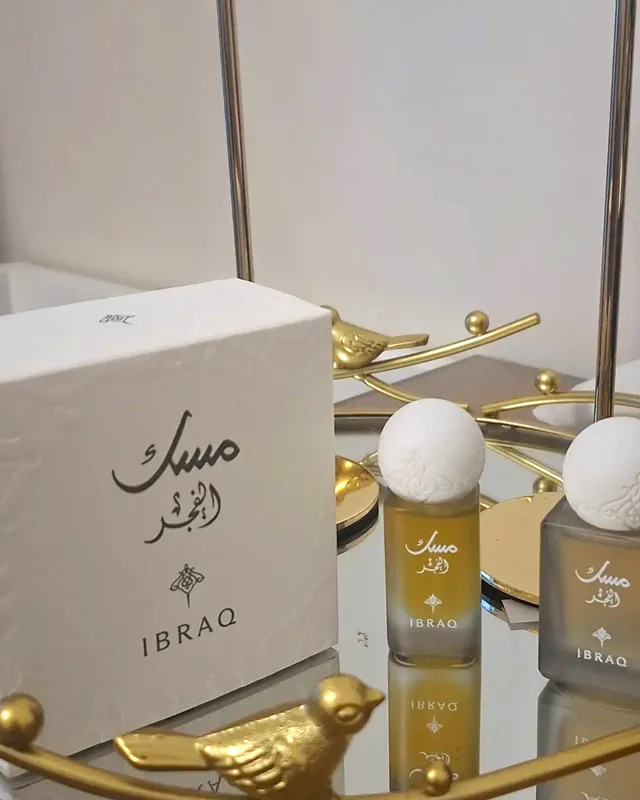
An example from our shelves: Ibraq’s Musk Al Fajr box holds a 10 ml perfume and a small musk oil together. You could apply the oil first and spray the perfume over it.
If you’d like to try combining two different scents, start simply: a soft musk under another scent you love. Have a look at our musks.
Spray in the right places, and don’t rub
Pulse points. The warmer spots on the body, often called pulse points, help a scent unfold gently through the day. For example:
- the inside of your wrists;
- behind your ears and the sides of your neck;
- the inside of your elbows.
Don’t rub your wrists together. It’s a very common habit to spray one wrist and rub it against the other. It’s better to spray and let the perfume dry on its own: rubbing can make the top notes fade faster and upset the balance of the opening.
How many sprays? There’s no single number. With warm, rich perfumes, two or three sprays are usually enough; lighter ones may need a little more. What matters is that the scent stays around you rather than arriving several steps ahead of you.
Clothes and hair, with care
Clothes usually hold a scent longer than skin, especially natural fabrics such as cotton, wool and linen. That’s why a scarf or jacket can still carry your perfume days later.
A few cautions:
- Stains: perfume can mark light-coloured fabrics, silk and other delicate materials. Spray from a little further away, test on a hidden spot first, or spray the inside lining.
- Hair: scent in your hair is lovely and noticed as soon as someone comes close, but most perfumes contain alcohol, which can dry hair out if you do it often. A light mist from a distance, or a spray on your hairbrush before brushing, is plenty.
Concentration, scent type and the weather
Not all perfumes have the same concentration. Generally, the higher the concentration, the longer a scent tends to last:
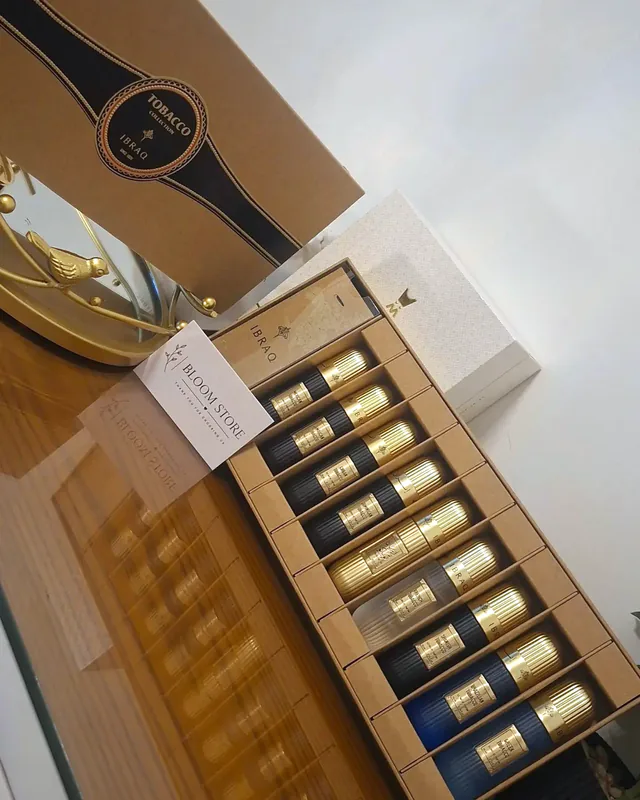
- Extrait de parfum (Parfum): the highest concentration. Ibraq’s Tobacco Collection, for example, holds nine 20 ml bottles of extrait de parfum.
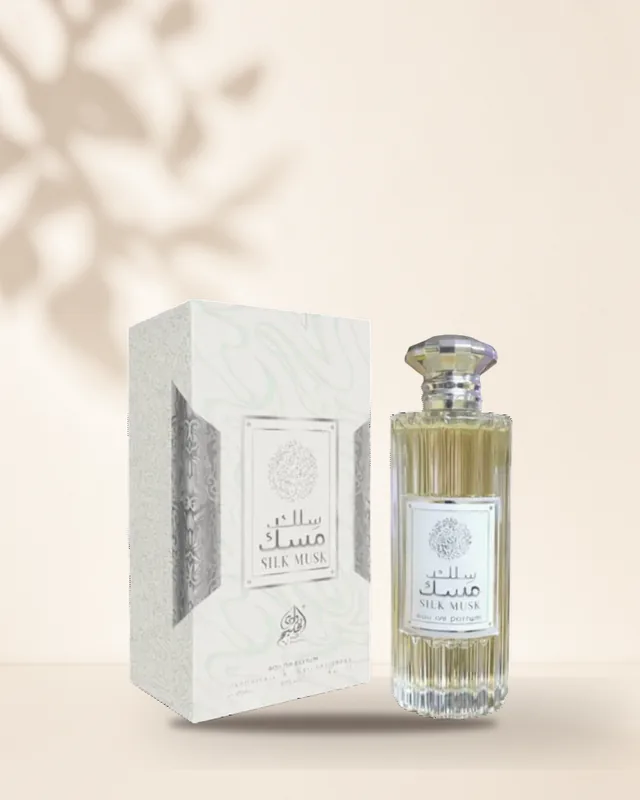
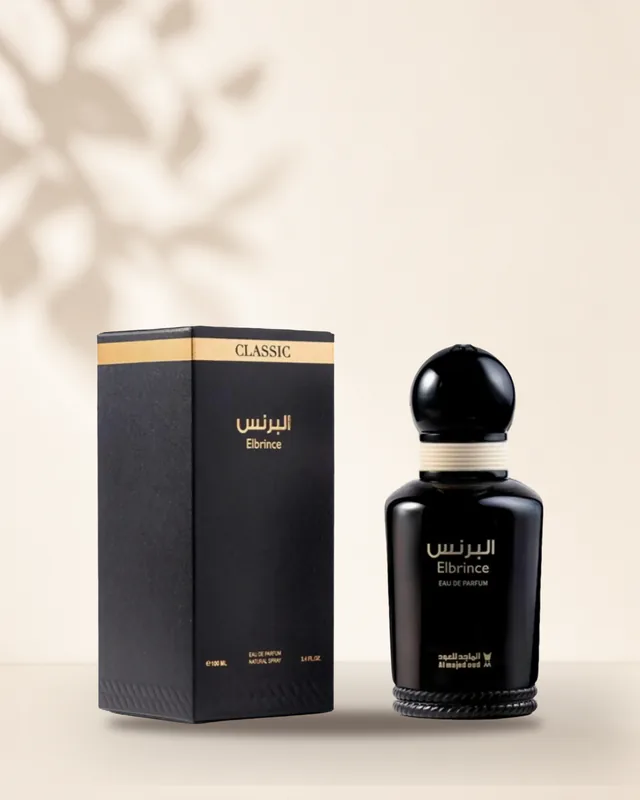
- Eau de parfum (EDP): a rich, balanced concentration, and one of the most common. Many of our perfumes are eaux de parfum, such as Lattafa’s Khamrah, Al Majed Oud’s Elbrince and Wadi Al Khaleej’s Silk Musk.
- Eau de toilette (EDT): lighter, and usually needs topping up during the day.
- Perfume oils: such as musk oil. Usually alcohol-free and worn close to the skin, so the projection is softer but the scent stays with you.
The type of scent matters too: heavier notes such as oud, amber, musk and vanilla usually last longer than fresh citrus, which fades quickly.
The weather in Egypt
Heat makes a scent project more and evaporate faster; cooler weather makes it softer and closer to the skin. So:
- In summer: fresh, light scents usually feel more comfortable, and one or two sprays are enough, since a strong scent in the heat can feel heavy to the people around you.
- In winter: warm scents such as amber, oud and vanilla come into their own, and you might add a spray.
Top up without carrying the bottle
On a long day, keep a small 5 or 10 ml decant in your bag; a light spray in the afternoon is all it takes. It’s much easier than carrying a big bottle, and safer for it too, away from knocks and heat.
Store your perfume well
Perfume is affected by heat, light and air, and over time it shows in the scent itself. So:
- Away from the bathroom: the constant changes in heat and humidity don’t suit it, however tempting the shelf by the mirror looks.
- Out of the sun: not on the windowsill, and not on a dressing table that catches the sun.
- Not in the car: especially in summer.
- Close the cap properly after every use.
- The original box, or a quiet cupboard, is the best place.
The same advice applies to decants; we cover it in more detail in what’s a decant?.
Why do we stop smelling our own perfume?
If you feel your perfume has vanished after an hour, wait before you judge it. What’s usually happening is called olfactory adaptation, or nose blindness: the brain gets used to a smell that’s around it all the time and stops noticing it. It’s temporary and completely normal.
So you may no longer smell it while the people around you still can. That’s why it’s better not to keep adding sprays. Ask someone close to you, or smell your clothes after you’ve been away from them for a while.
It’s the same reason you don’t notice the smell of your own home while you’re inside, then catch it as soon as you come back from outside. And if you’re trying several scents in a row, your nose tires and gets confused, so it’s best not to try more than three or four at a time.
One more thing: the same scent can last longer on one skin than another, which is one reason we always suggest trying a scent on yourself first with a small decant from all decants.
In short
- Moisturised skin, with an unscented lotion.
- Pulse points, and no rubbing.
- A light mist on clothes or hair, with care.
- Storage away from heat, sun and the bathroom.
- A higher concentration or heavier notes if you want more longevity.
- A small decant in your bag for top-ups.
Not sure which scent suits you in the first place? Try Find your scent.
And if you have any question about a particular scent, message us on WhatsApp. We’d be happy to help.